What causes bunions to develop?
Bunions develop when the big toe joint is repeatedly overloaded or when foot structure makes the joint prone to drifting inward. Several factors can contribute to this gradual misalignment.
Common causes/factors include:
- Genetics and foot structure — inherited foot types, shapes or mechanics that increase joint stress.
- Flat feet or hypermobility — unstable joints that allow the big toe to shift more easily.
- Tight or narrow footwear — shoes that crowd the toes and push the joint inward.
- High heels — increased forefoot pressure that forces the big toe toward the second toe.
- Arthritis or joint conditions — inflammation or degeneration that alters joint stability.
- Long-term pressure on the big toe joint — repetitive strain from certain activities.
What are the signs and symptoms of a bunion?
Bunions often start gradually, and symptoms become more noticeable as the joint shifts and pressure increases. These changes can affect comfort, shoe fit and the way you walk.
Common signs and symptoms include:
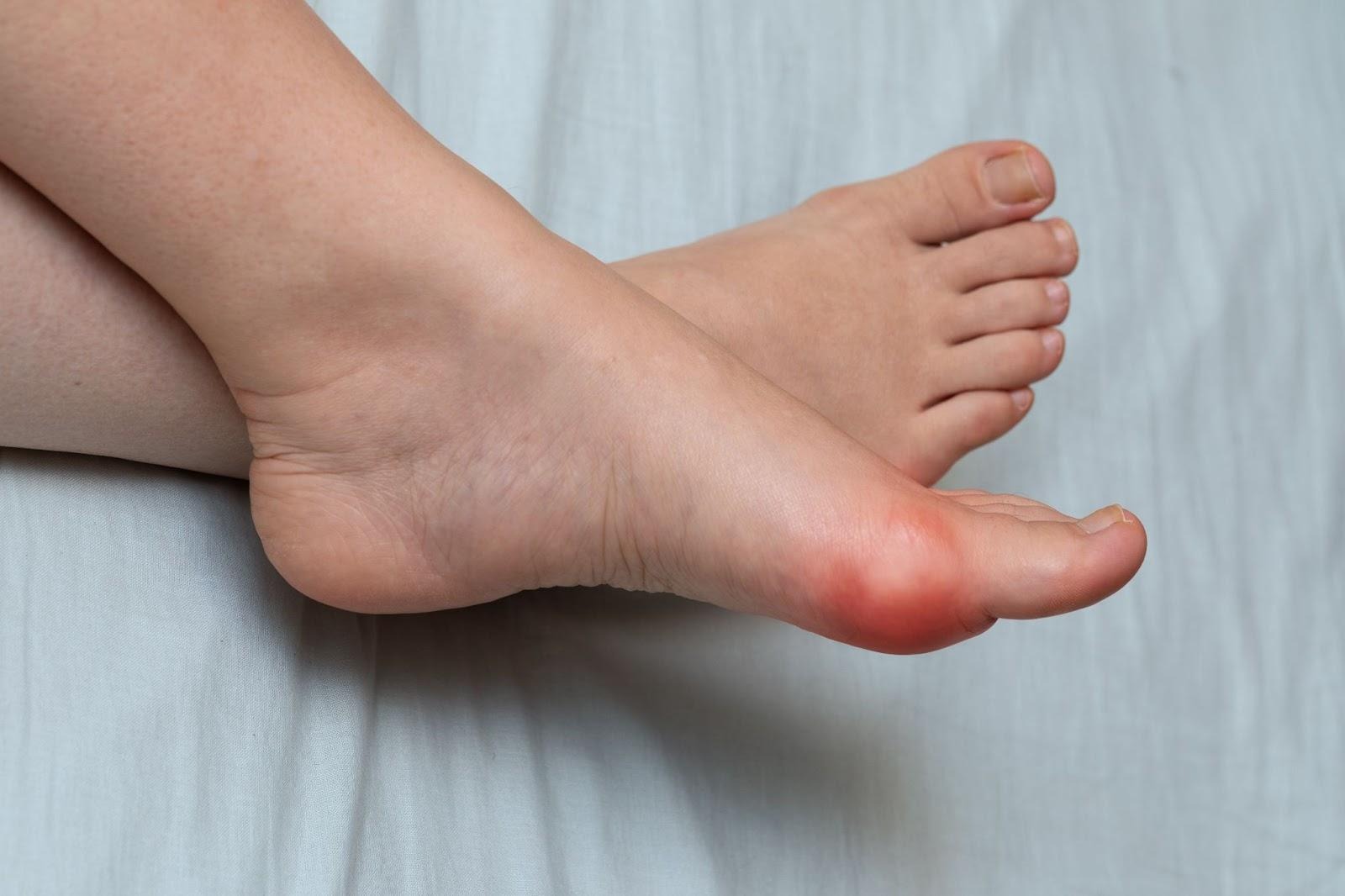
- A visible bump at the big toe joint
- The big toe drifting toward the second toe
- Pain or soreness when walking or standing
- Redness or swelling over the affected joint
- Hard skin or corns caused by friction within shoes
- Difficulty fitting comfortably into regular footwear
What happens if a bunion is left untreated?
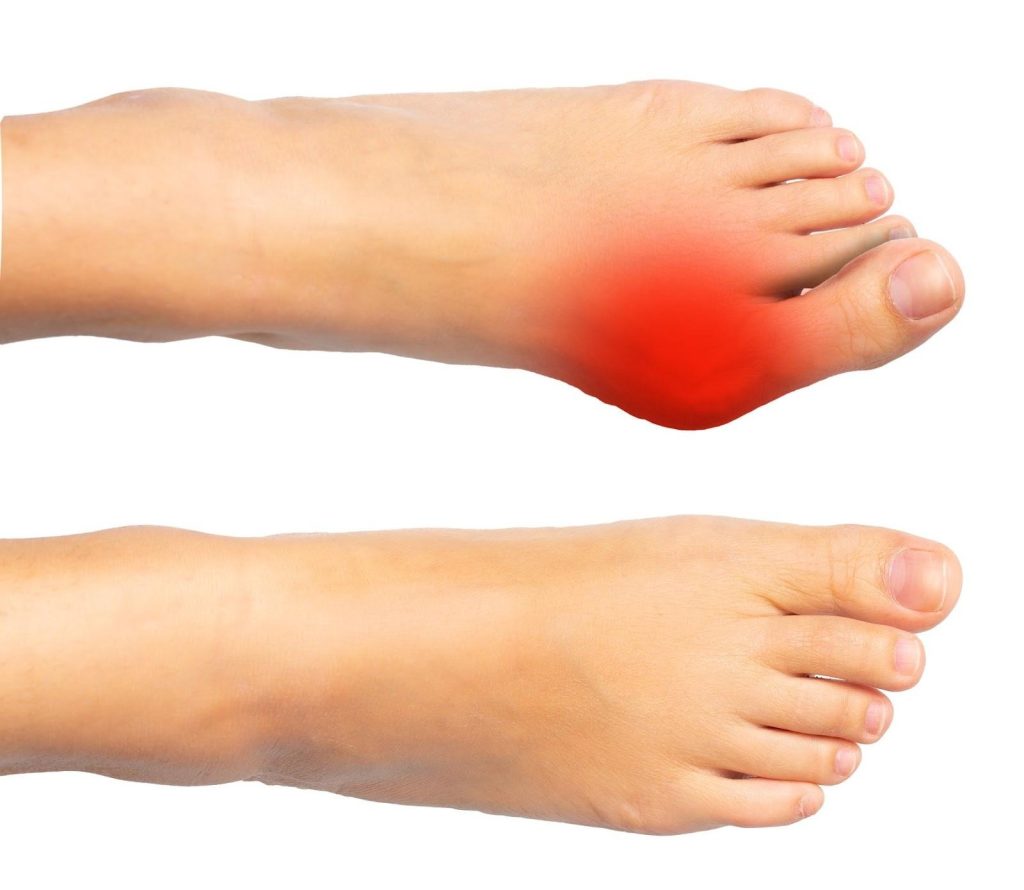
Without proper care, a bunion often becomes more pronounced over time. The joint continues to shift, pressure increases, and the surrounding structures adapt in ways that can make walking and daily activities more difficult. As the deformity progresses, symptoms typically become harder to manage and may start to affect other parts of the foot.
Possible consequences include:
- Worsening toe misalignment
- Increased pain and joint stiffness
- Development of corns and calluses or ingrown toenails
- Difficulty walking or wearing normal shoes
- Progression to arthritis in the big toe joint
- Higher risk of secondary issues like hammertoes or overlapping toes
Early podiatry care helps slow this progression, reduce discomfort and protect long-term foot function.
When should you see a podiatrist for bunion pain?
Bunion discomfort may start mildly, but when pain becomes persistent or begins to interfere with daily activities, it is a sign that professional assessment is needed. A podiatrist can help reduce symptoms, slow progression and address any related issues affecting comfort or mobility.
You should seek podiatry care if you have:
- Persistent pain that does not settle
- Difficulty finding comfortable footwear
- A big toe that is drifting noticeably inward
- Swelling or inflammation over the joint
- Hard skin or corns caused by friction
- Pain affecting walking or daily activity
- Diabetes, where safe foot care is essential
How is a bunion diagnosed?
Diagnosis begins with a visual examination of the foot to assess the size of the bunion and the position of the big toe. At Atlas Podiatry, our podiatrist will check alignment, gait patterns, footwear habits and joint mobility to understand how the bunion is affecting your movement. They may also recommend X-rays to assess severity and guide more detailed management when needed.
What treatments are available for bunions?
Conservative podiatry care focuses on relieving pain, reducing pressure on the big toe joint and slowing the progression of the deformity. Treatment is tailored to your foot structure, symptoms and lifestyle needs.
- Bunion padding & offloading — soft pads or offloading devices help cushion the bunion, preventing irritation and easing discomfort in shoes.
- Footwear advice — shoes with wide toe boxes, supportive soles and soft uppers reduce friction on the joint and improve walking comfort.
- Custom orthotics / insoles — orthotics help support the feet, improve alignment and reduce strain on the big toe joint, slowing bunion progression.
- Exercises & mobility work — targeted exercises help maintain flexibility around the joint and strengthen supporting muscles.
- Night splints and toe spacers — these devices gently encourage better alignment and may improve comfort, especially in early or mild bunions.
- Management of associated issues — corns, calluses, ingrown toenails or joint arthritis due to bunion formation can be managed to reduce pain and improve overall foot health.
While podiatrists do not perform surgery, they can guide you if surgical correction becomes necessary, ensuring you receive an appropriate referral.
Most patients experience meaningful relief with conservative treatment, especially when addressed early.
What results can you expect from bunion treatment?
With the right combination of support, footwear changes and joint care, bunion symptoms often improve significantly. Treatment aims to make daily movement more comfortable and prevent the deformity from worsening.
You can expect:
- Less pain during walking
- Improved comfort in footwear
- Reduced pressure and swelling around the joint
- Slower bunion progression
- Better joint mobility
- Improved overall foot function
How long does bunion treatment take?
Many patients begin to feel relief within days to weeks as pressure on the joint is reduced. Ongoing use of orthotics, suitable footwear and exercises provides the best long-term results.
How can you care for your feet day-to-day with a bunion?
Daily habits play an important role in managing bunion symptoms and preventing further progression. Small changes in footwear and foot care can make walking more comfortable and protect the joint from unnecessary stress.
Helpful strategies include:
- Wearing wide, supportive shoes that reduce friction over the bunion
- Using orthotics, if recommended, to improve alignment and reduce joint strain
- Maintaining healthy foot alignment during standing and walking
- Avoiding tight or high-heeled shoes that push the big toe inward
- Stretching and strengthening the feet regularly to keep it strong and mobile
- Monitoring for corns or skin irritation and seek podiatry care if they occur
Summary
Bunion is a progressive deformity that can affect comfort, mobility and confidence in daily activities. Early podiatry treatment can help slow down this progression and ease pain by reducing pressure on the big toe joint, improving feet alignment and guiding footwear and orthotic choices. Most patients experience better walking comfort and increased joint mobility with a personalised, conservative care plan.
If a bunion is causing ongoing discomfort or making it difficult to find shoes that fit, schedule a consultation with Atlas Podiatry for professional assessment and tailored bunion advice and management.