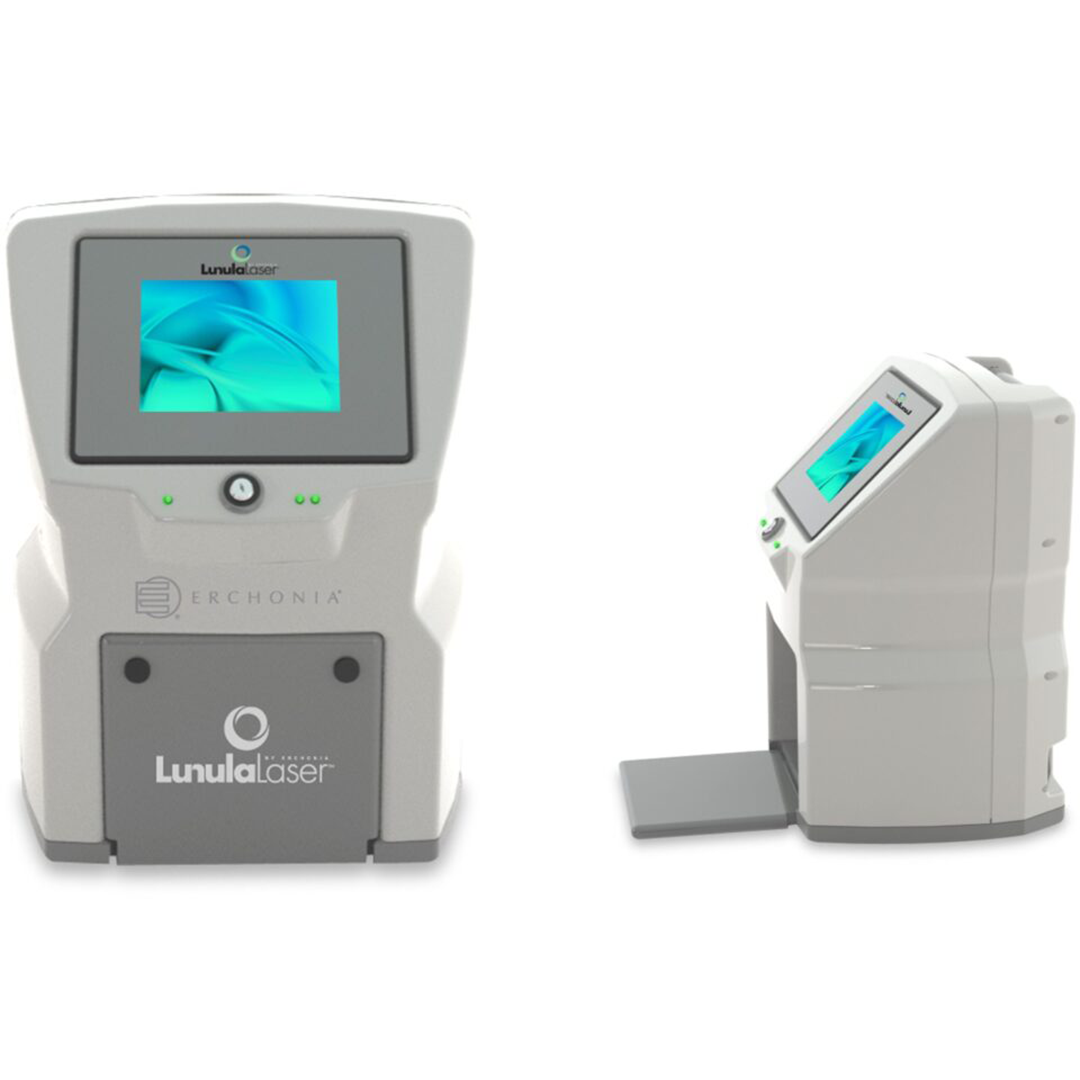
What is Lunula Laser Therapy?
Lunula Laser Therapy is an FDA-approved medical treatment for onychomycosis or fungal nail infection. It uses two low-level laser wavelengths that work together to eliminate fungus and promote healthy nail regrowth. One wavelength targets and weakens the fungal cells, while the other stimulates local blood flow and immune activity within the nail bed and matrix.
Because the Lunula system uses cold laser technology, it works through gentle photochemical stimulation rather than heat. This makes it completely safe, painless and suitable for long-term use in restoring clear, healthy nails.
How does Lunula Laser work?
Lunula Laser uses gentle, low-level light energy to target fungal infection and stimulate healthy nail growth without heat or discomfort. The technology combines two specific wavelengths that act together to clear the infection and restore the nail’s natural appearance.
Here’s how it works:
- Violet wavelength (405 nm) — targets and disrupts fungal cells, reducing their ability to survive and spread.
- Red wavelength (635 nm) — improves local circulation and stimulates the body’s immune response, promoting healthier nail growth.
- Photochemical stimulation — works at the cellular level without producing heat, so surrounding skin and nail tissue remain unharmed.
- Gradual regeneration — as the infection clears, the new nail grows in clear and strong over the following months.
Who is a suitable candidate for Lunula Laser treatment?
Lunula Laser is suitable for most patients with fungal nail infections, especially those looking for a safe* and medication-free option. It is commonly recommended for:
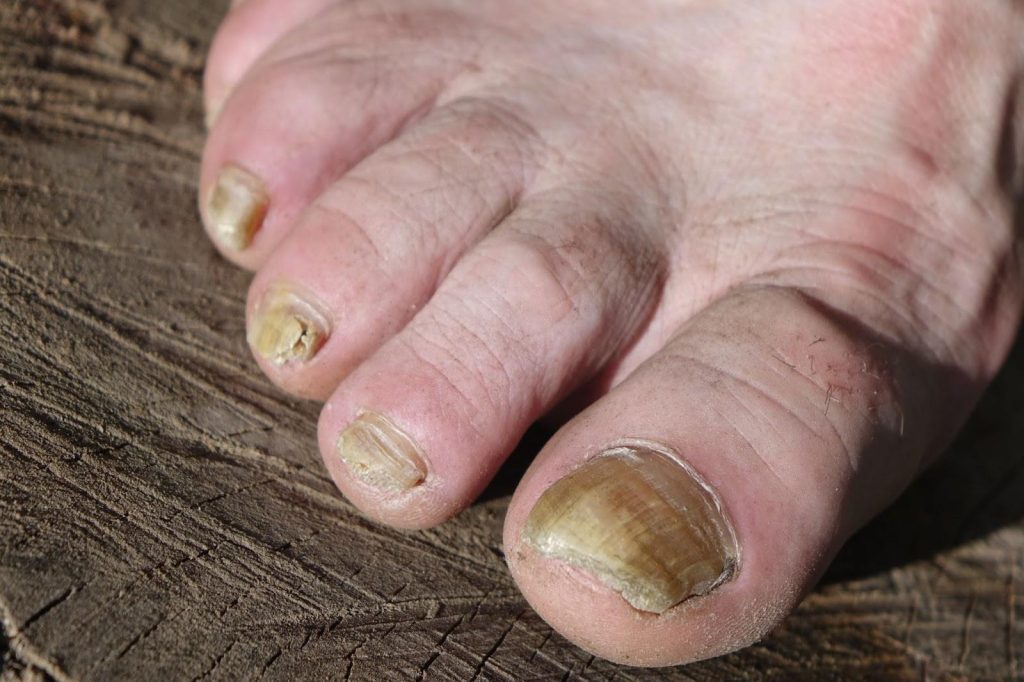
- Mild to moderate fungal toenail infections that have caused nail thickening, discolouration or brittleness.
- Patients who cannot take oral antifungal tablets due to liver concerns, allergies or medication interactions.
- Individuals with diabetes or poor circulation, where non-invasive treatments are preferred for safety.
- Elderly patients with fragile nails or sensitive skin.
- Anyone seeking a drug-free and pain-free approach to improving nail health
Because the treatment uses low-level light instead of heat or chemicals, it is well tolerated by patients of all ages and carries no risk of systemic side effects.
* Although Lunula Laser has no absolute contraindications, as a precaution in line with manufacturer guidelines, we do not recommend using Lunula® on pregnant women, clients with a pacemaker, photosensitive epilepsy, or active cancer in treatment area. Our podiatrist will discuss your full medical history during the consultation to confirm suitability.
What can you expect during Lunula Laser treatment?
Lunula Laser therapy is a quick and comfortable procedure performed entirely in the clinic. Each session is carried out by a podiatrist to ensure accuracy and safety throughout the process.
Here’s what typically happens during your visit:
- Assessment — the podiatrist examines your nails, confirms the extent of infection and determines your suitability for Lunula Laser treatment.
- Nail preparation — thickened or crumbly nails are gently cleaned and thinned to allow the laser light to reach the nail bed effectively.
- Laser session — your foot is placed under the Lunula device for about 12 minutes per foot. The low-level laser light targets fungal cells and stimulates healthy nail growth. The treatment is completely painless, requires no anaesthetic and has no downtime.
- Aftercare — you can resume normal activities immediately after the session. The podiatrist will advise you on foot hygiene, shoe disinfection and home care to help maintain results between visits.
How many Lunula Laser sessions are needed, and when will results show?
Most patients require a course of four to eight Lunula Laser sessions, depending on how severe the fungal infection is and how many nails are affected. The exact number of sessions is determined by the podiatrist after assessing nail thickness, infection depth and overall nail health.
Because toenails grow slowly, results take time to appear. Improvement becomes noticeable as the new, healthy nail gradually grows out to replace the infected portion, a process that can take several months. Regular reviews with your podiatrist help monitor progress and ensure that treatment continues until full nail recovery is achieved.
Can Lunula Laser be combined with other treatments?
Lunula Laser is often part of a broader treatment plan for fungal nail infections. Combining it with other therapies helps address the infection from multiple angles and enhances overall results. The choice of combination depends on the severity of infection, number of nails affected and the patient’s medical background.
Common combinations include:
- Topical antifungal medication — used alongside Lunula Laser to suppress surface fungal activity and maintain clear nail growth.
- Oral antifungal tablets — prescribed in coordination with your GP for severe or widespread infections while laser therapy supports external healing.
- Professional nail care — regular debridement by the podiatrist helps remove thickened nail layers, allowing laser light and medication to penetrate more effectively.
- Hygiene and footwear management — disinfecting shoes and maintaining dry, clean feet reduce the risk of reinfection during recovery.
Your podiatrist will design a plan that combines these treatments safely and effectively to achieve the best long-term outcome.
What are the benefits of Lunula Laser therapy?
Lunula Laser offers several advantages that make it a preferred choice for managing fungal toenail infections, especially for those seeking a safe and comfortable alternative to medication-based treatments.
Key benefits include:
- Pain-free and non-invasive — the procedure uses cold laser light, with no heat, discomfort or anaesthetic required.
- No downtime or recovery — you can walk out immediately after treatment and resume normal activities.
- Safe for most patients — suitable for adults, children, diabetics and those with medication sensitivities.
- Supports natural nail repair — stimulates circulation and immune response in the nail bed, encouraging healthy regrowth.
- Helps prevent recurrence — when paired with professional care and good foot hygiene, it reduces the likelihood of reinfection.
How should I care for my nails after Lunula Laser therapy?
Proper aftercare plays a key role in maintaining results and preventing the fungus from returning while your new, healthy nail grows out. Simple hygiene and footwear habits can greatly reduce the risk of reinfection. Here are some important post-treatment tips:
- Keep feet clean and dry — wash and dry your feet thoroughly every day, especially between the toes.
- Change socks daily — choose moisture-wicking materials and avoid tight, non-breathable footwear.
- Wear well-fitting shoes — to prevent nail injuries and reduce the risk of infection
- Disinfect shoes regularly — use antifungal sprays, powders or UV sanitisers to remove any lingering spores.
- Avoid walking barefoot in communal areas — always wear slippers or sandals in gyms, pools or public showers.
- Trim nails correctly — cut nails straight across and avoid picking at thickened edges.
- Attend review visits — regular follow-up with your podiatrist allows progress to be monitored and early signs of reinfection to be managed quickly.
Good foot care and consistent hygiene are essential to protect results and ensure long-term nail health after Lunula Laser therapy.
Summary
Fungal toenail infections are notoriously stubborn, but Lunula Laser provides a safe, painless and effective way to restore clear, healthy nails. By using gentle, low-level light energy, it helps eliminate fungal activity while stimulating the body’s natural healing response. The treatment is painless, drug-free and suitable for most, including patients who cannot take oral medication. With regular sessions and proper aftercare, most patients see gradual, lasting improvement as the nail grows out clearer and stronger.
If you are struggling with thickened, discoloured or brittle toenails, schedule a consultation with Atlas Podiatry to find out if Lunula Laser Therapy is right for you. Our podiatrists will assess your condition and recommend a treatment plan that supports long-term nail recovery.