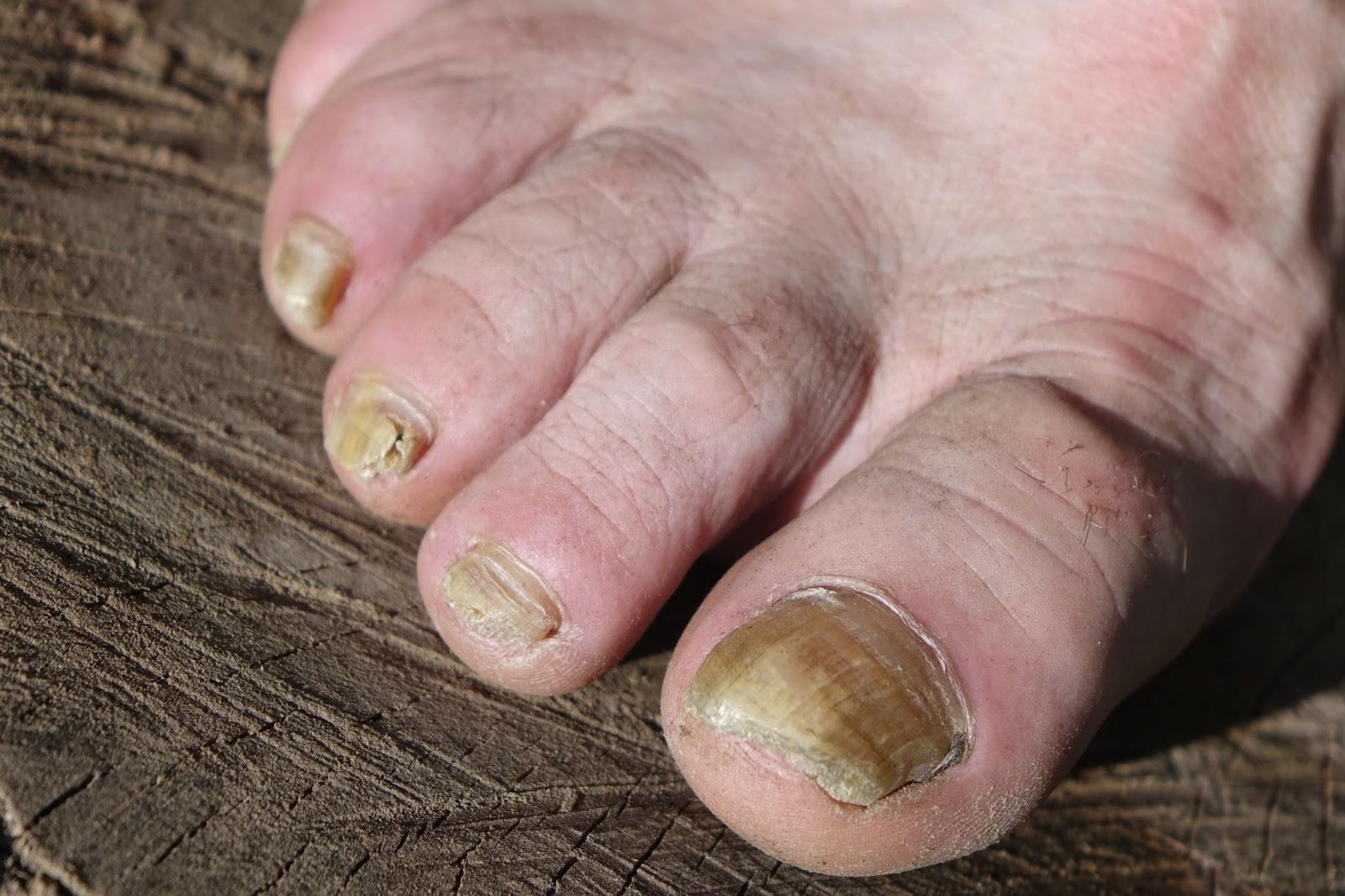
Fungal Toenail Treatment in Singapore
Fungal toenails are one of the most frequent nail concerns seen in podiatry practice. The infection develops when fungi invade the nail plate or nail bed, leading to thickened, brittle or discoloured nails that can become painful over time. Although often regarded as a minor issue, persistent fungal infection can spread to neighbouring nails or skin and is rarely resolved by over-the-counter products alone.
Professional treatment helps to remove the infected nail material, clear the underlying infection, and support the growth of a healthier nail. At Atlas Podiatry, treatments are medically supervised and based on proven approaches that aim to restore comfort, function and the appearance of the nails in a safe and measured way.
What happens if fungal toenails are left untreated?
Fungal toenails rarely improve on their own. Without proper care, the infection can gradually worsen and lead to more persistent problems over time.
Common complications include:
- Progressive thickening and discolouration of the nail, making trimming and cleaning difficult
- Spread of infection to nearby nails or surrounding skin
- Pain or pressure when walking or wearing closed footwear
- Permanent nail damage or distortion of the nail plate
- Secondary skin infection in severe or neglected cases
Early professional treatment not only helps clear the infection more effectively but also prevents these complications from developing or recurring.
When should you seek treatment for fungal toenails?
Mild fungal infections may start with subtle changes in nail colour or texture, but professional care becomes important once the infection begins to affect comfort, nail structure or appearance. Seeking treatment early can prevent the fungus from spreading and reduce the risk of long-term damage.
You should see a podiatrist if you notice or have:
- Persistent nail discolouration that does not improve with home remedies
- Thickened or brittle nails that are difficult to trim
- Pain, pressure or tenderness when wearing shoes or walking
- Crumbly or distorted nail edges suggesting deeper infection
- Multiple nails affected or infection spreading to the skin
- Existing health conditions such as diabetes, poor circulation or immune disorders
Early podiatry intervention allows for accurate diagnosis and timely treatment, giving the best chance of restoring healthy, clear nails.
What professional treatments are available for fungal toenails?
Fungal toenail management often requires more than topical creams or home remedies. Professional treatment targets the infection at its source, clears damaged nail material and supports healthy regrowth. The type of treatment recommended depends on how advanced the infection is, how many nails are affected and the patient’s overall health.
Common treatment options include:
- Podiatry nail care — thickened or brittle nails are gently thinned and cleaned by the podiatrist. This reduces pressure, improves comfort and allows antifungal medication or laser therapy to reach the nail bed more effectively.
- Topical antifungal applications — medicated lacquers or solutions are applied directly to the nail surface. These are most effective for mild infections and require consistent use alongside regular podiatry care.
- Oral antifungal tablets — for extensive or stubborn infections, our podiatrist will assess your condition and refer you to a general practitioner (GP) for a prescription if needed. These act through the bloodstream to target infection from within but require medical supervision to monitor for potential side effects.
- Lunula Laser therapy — a cold laser system that uses low-level light to help eliminate fungal pathogens and stimulate healthy nail growth. The treatment is completely pain-free, non-invasive and has no downtime.
- Nail removal — in severe or chronic cases where the nail is irreversibly damaged, partial or total nail removal may be considered. This allows new, healthy nail tissue to regrow under close podiatric supervision.
A tailored combination of these methods is often recommended to achieve long-lasting results and prevent recurrence.
Can fungal toenail treatments be combined for better results?
Yes. Combination therapy often gives stronger and longer-lasting outcomes. For instance, professional debridement may be paired with topical medication to enhance absorption, or oral antifungals may be used alongside regular podiatry follow-up to monitor improvement.
Ongoing hygiene care, such as keeping the feet dry, disinfecting shoes and attending review visits is just as important. These steps prevent reinfection and ensure new nail growth remains healthy and clear.
How long does fungal toenail treatment take?
Fungal nail infections clear gradually because toenails grow slowly. It can take several months for a completely healthy nail to replace the damaged portion. Even after visible improvement, ongoing care and preventive measures are recommended to avoid relapse.
The treatment timeline depends on factors such as:
- Severity of infection
- Number of nails involved
- Nail growth rate (which can be slower in older adults or diabetics)
- Adherence to medication and hygiene guidance
Regular follow-ups allow the podiatrist to track progress and adjust the plan as needed.
How can you prevent fungal toenails from returning?
Once cleared, fungal infections can reappear if preventive habits are neglected. Simple daily care can make a big difference:
- Keep feet clean and dry, especially between the toes
- Change socks daily and choose moisture-wicking fabrics
- Alternate shoes and allow them to air out fully
- Disinfect footwear with antifungal sprays or UV sanitisers
- Trim nails straight across and avoid digging into corners
- Wear slippers in communal areas such as pools and gyms
Your podiatrist may also recommend maintenance visits to monitor nail growth and perform routine cleaning to keep nails healthy.
Summary
Fungal toenail infections can be slow to clear, especially once the nail has thickened or changed shape. Effective management involves more than surface treatment; it requires addressing the infection beneath the nail and supporting healthy regrowth. At Atlas Podiatry, treatment plans may include professional nail care, antifungal medication and Lunula Laser therapy, depending on the extent of infection and individual needs. Each approach is designed to reduce fungal activity, restore comfort and prevent recurrence through careful monitoring and guidance.
If you are experiencing persistent nail discolouration, brittleness or discomfort, schedule a consultation with Atlas Podiatry for professional fungal toenail treatment and personalised podiatry care.