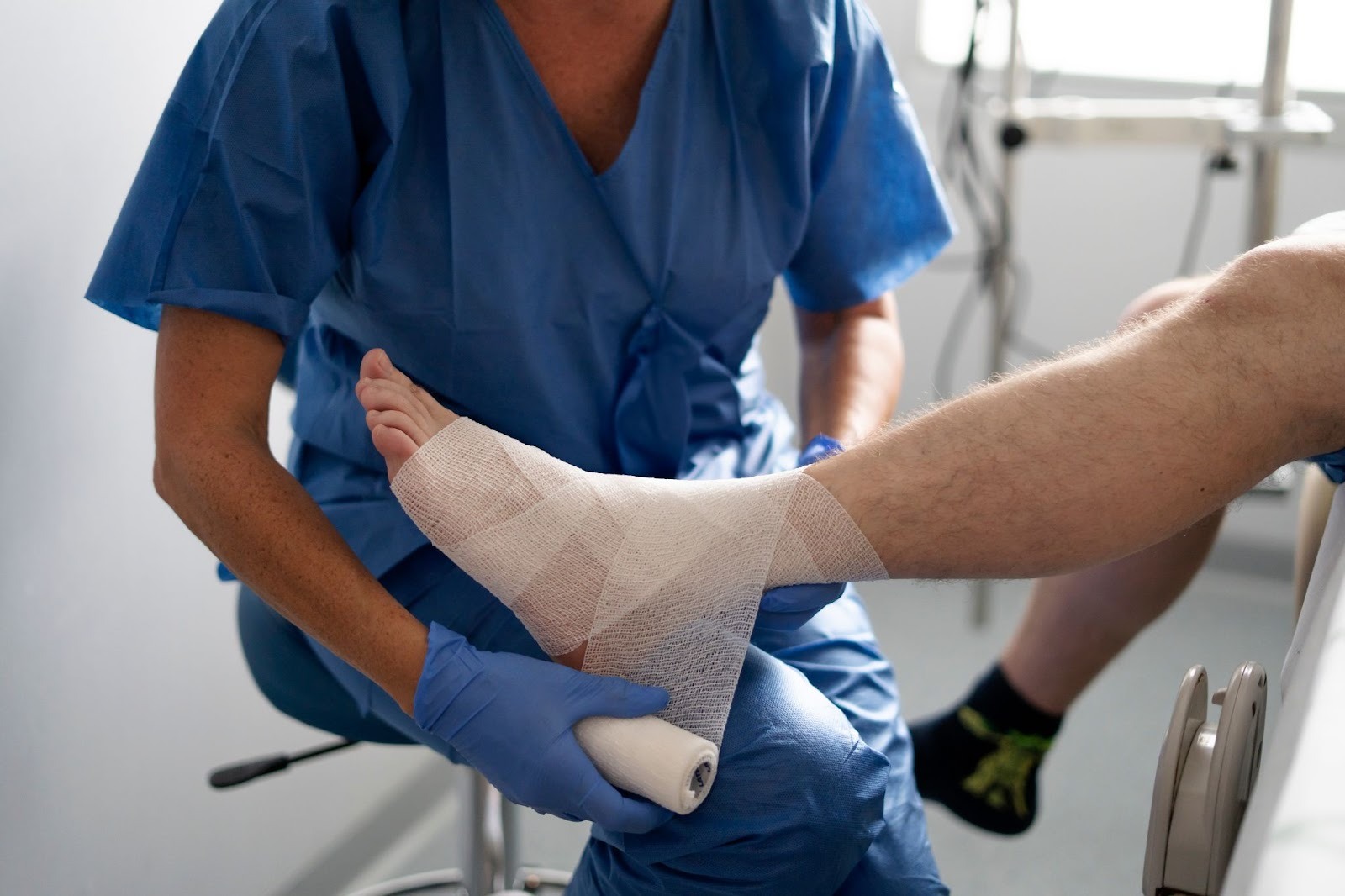
Why are the feet and ankles commonly injured in sports?
The feet and ankles are subjected to high levels of stress during sporting activities as they bear body weight and absorb impact with every step. Movements such as running, jumping, pivoting and sudden direction changes place repeated strain on the joints, ligaments and tendons.
Repetitive impact, combined with biomechanical factors such as foot posture and gait patterns, can increase the risk of both acute injuries and overuse conditions. When these structures are overloaded or not adequately supported, injury is more likely to occur.
What are the common sports injuries affecting the feet and ankles?
Sports-related foot and ankle injuries can involve the bones, ligaments or tendons and may develop suddenly or over time.
Common sports injuries include:
- Ankle sprains
- Achilles tendinopathy
- Posterior tibialis tendinopathy
- Peroneal tendinopathy
- Stress fractures
What is an ankle sprain?
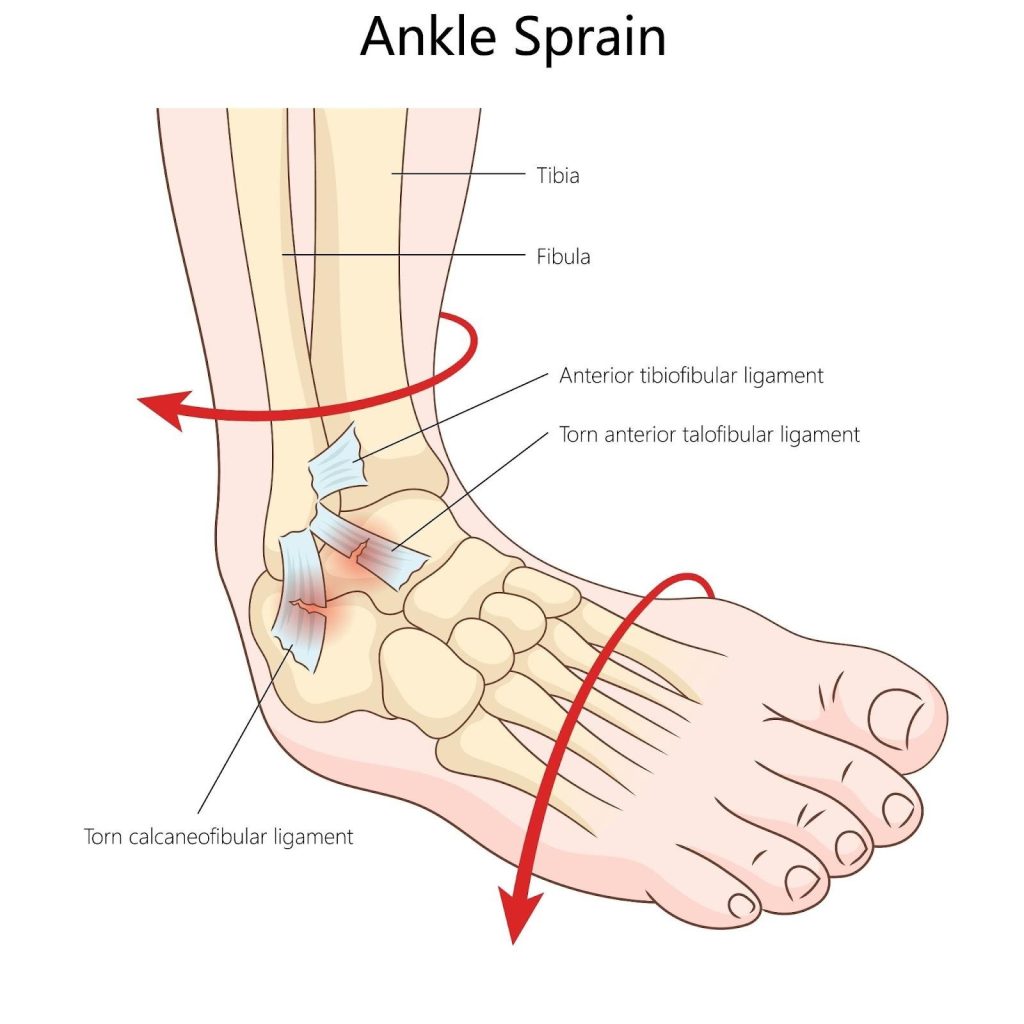
An ankle sprain occurs when one or more of the ligaments supporting the ankle joint are overstretched or torn. This most commonly happens during an inversion injury, where the foot rolls inward, often during running, jumping or sudden changes in direction.
Ankle sprains vary in severity and are commonly classified into grades, ranging from mild ligament stretching to partial or complete tears. Sporting activities that involve rapid movement, uneven surfaces or physical contact place the ankle at a higher risk of injury.
What is Achilles tendinopathy?
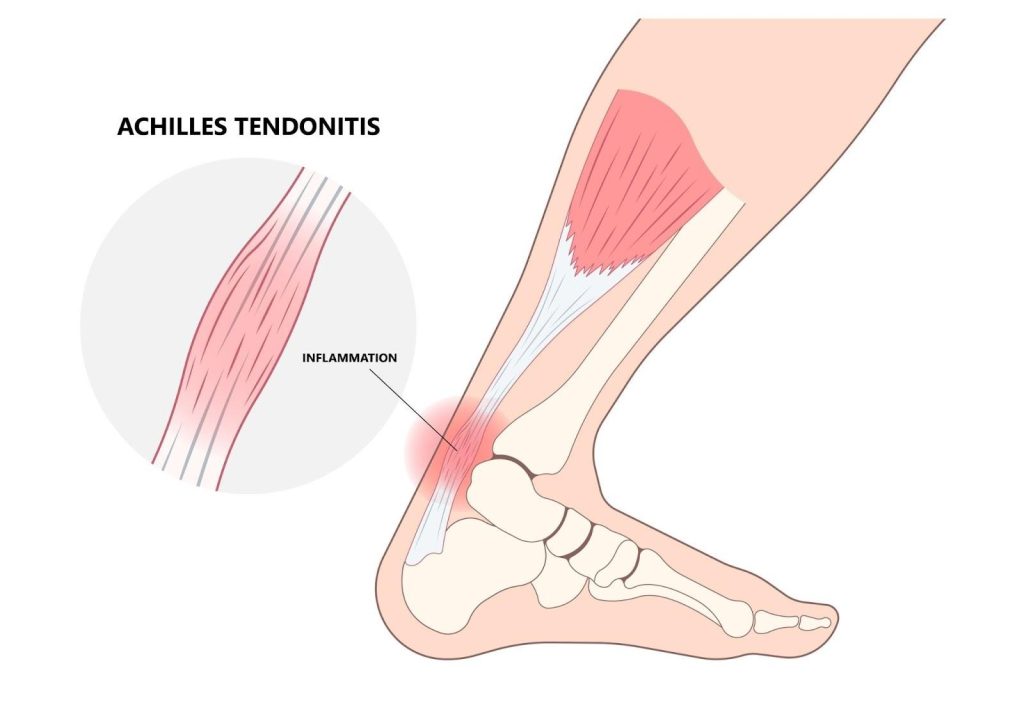
Achilles tendinopathy is a condition caused by an overload of the Achilles tendon, which connects the calf muscles to the heel bone. Repetitive strain can lead to structural changes within the tendon rather than acute inflammation, resulting in pain, stiffness and reduced strength.
This condition is commonly seen in running and jumping sports, particularly when training intensity increases too quickly or recovery is insufficient. Without appropriate management, Achilles tendinopathy can affect performance and increase the risk for further injury.
What is posterior tibialis tendinopathy?
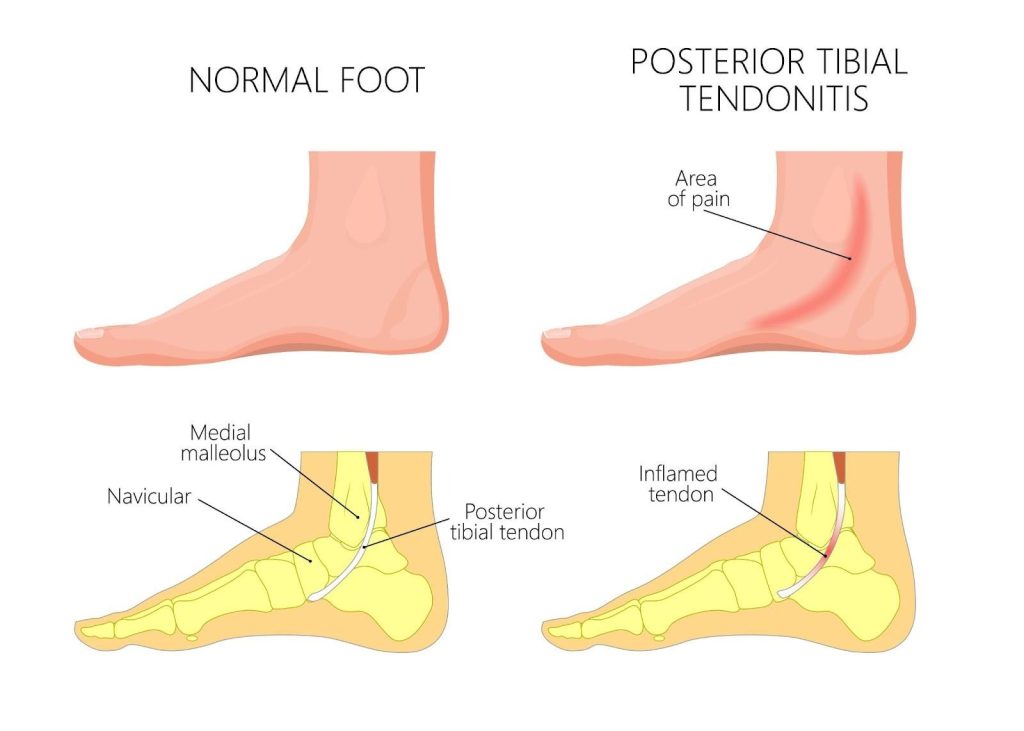
Posterior tibialis tendinopathy involves irritation or overload of the posterior tibial tendon, which runs along the inside of the ankle and plays an important role in supporting the arch of the foot. This tendon also helps stabilise the foot during walking and running.
Repeated strain, particularly in individuals with flat feet or increased training demands, can lead to pain along the inner ankle and foot. Over time, this condition may affect foot stability and contribute to progressive changes in foot posture if not properly managed.
What is peroneal tendinopathy?
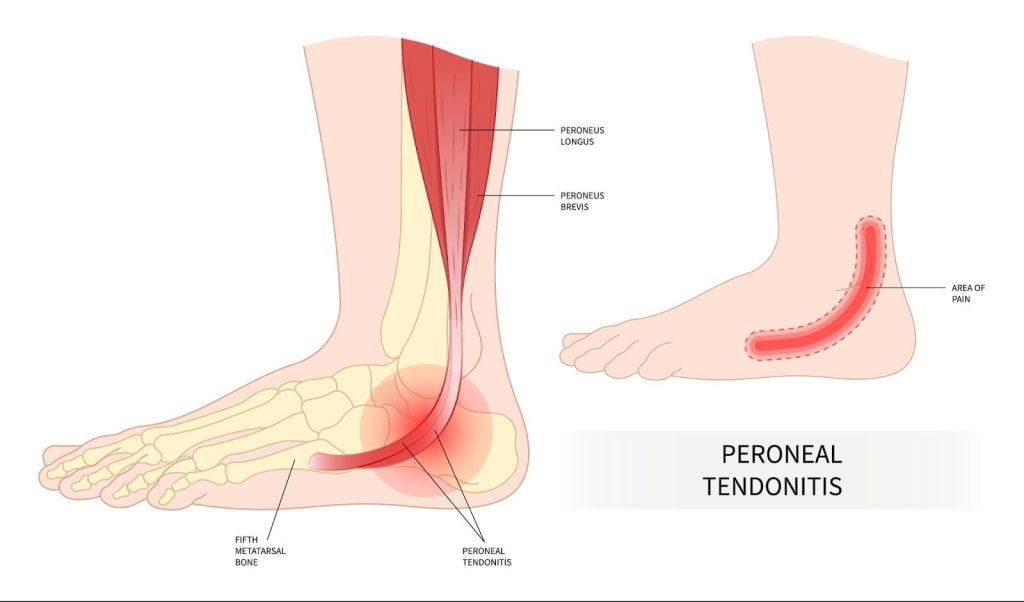
Peroneal tendinopathy affects the peroneal tendons, which run along the outer side of the ankle and help stabilise the foot during movement. These tendons are especially active during activities that involve side-to-side motion or uneven surfaces.
This condition is often associated with lateral ankle pain and may develop following repeated ankle sprains or prolonged overuse. Without adequate support and recovery, peroneal tendinopathy can contribute to ongoing ankle instability.
What is a stress fracture?
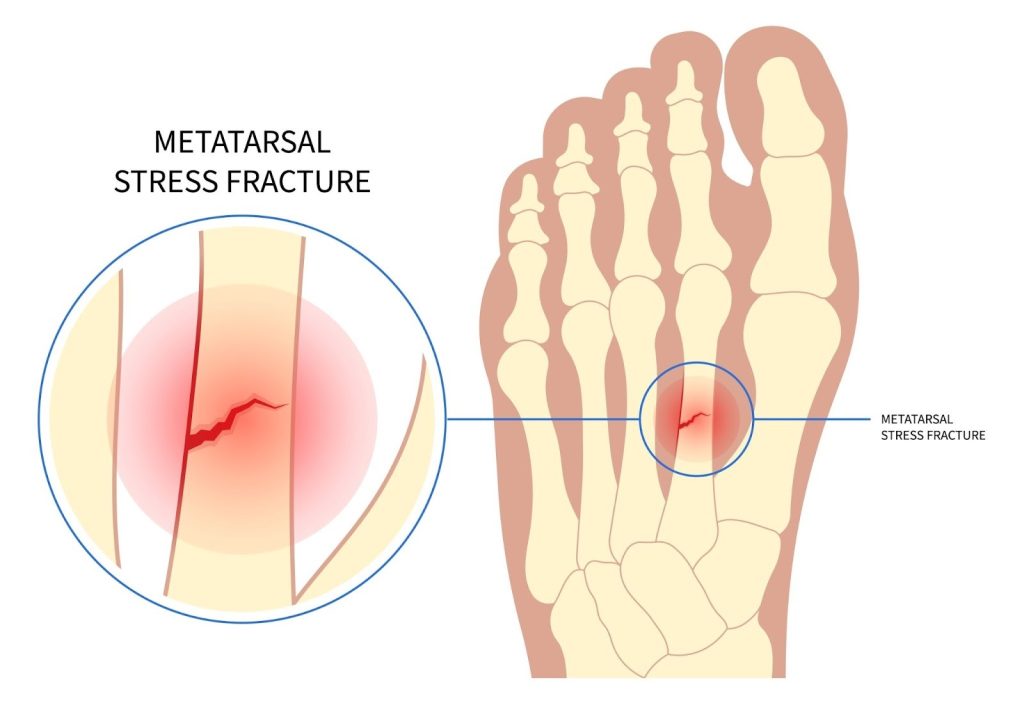
A stress fracture is a small crack in the bone caused by repeated loading rather than a single injury. In sports, it often develops when impact from running or jumping is repeated faster than the bone can recover and rebuild. Stress fractures commonly affect the bones of the forefoot, midfoot and heel because these areas absorb force with every step.
Stress fractures can start as a dull ache during activity and progress to a more persistent pain if training continues without enough rest.

What are the common stress fractures in the foot and ankle?
Sports-related stress fractures in the lower limb most often occur in the foot due to repetitive impact and weight-bearing demands.
Common stress fractures include:
- Metatarsal stress fractures – small cracks in the forefoot bones, commonly linked to running and sudden increases in training load.
- Calcaneal (heel) stress fractures – involve the heel bone and often cause deep heel pain during impact activities.
- Navicular stress fractures – occur in the midfoot and may heal more slowly due to limited blood supply.
- Sesamoid stress fractures – affect the small bones beneath the big toe and cause pain during push-off and forefoot loading.
- Jones fractures – occur at the base of the fifth metatarsal and are prone to delayed healing.
- Tibial stress fractures – involve the lower leg bone and are commonly associated with repetitive running and jumping.
What causes sports-related tendon injuries?
Sports-related foot and ankle injuries can occur when bones, tendons, ligaments or joints are exposed to repetitive load or sudden stress that exceeds their tolerance. Some injuries happen suddenly (such as an ankle sprain), while others develop over time (such as tendinopathy or stress fractures) when recovery is inadequate.
Common contributing factors include:
- Repetitive overuse
- Sudden increases in training load or intensity
- Poor foot mechanics affecting load distribution
- Inadequate or unsupportive footwear
- Muscle tightness or reduced strength affecting movement control
- Previous injury, increasing vulnerability to re-injury
What are the common symptoms of sports injuries?
Sports injuries can present with a range of symptoms depending on the type and severity of the injury.
Common symptoms include:
- Pain during or after activity
- Swelling or tenderness around the affected area
- Stiffness or weakness
- Reduced performance or endurance
- Instability or loss of confidence during movement
- Pain that worsens with impact activity and improves with rest
Early recognition of symptoms allows timely treatment and helps prevent progression to chronic injury.
When should a sports injury be assessed by a podiatrist?
A sports injury should be assessed when symptoms persist or begin to interfere with training, performance or daily activities. Early assessment helps prevent minor injuries from progressing into more serious or long-term problems.
Assessment is recommended if you experience:
- Persistent pain that does not improve with rest
- Swelling or tenderness that continues or worsens
- Instability, particularly around the ankle
- Pain affecting sporting performance
- Recurrent injuries or repeated flare-ups
How are sports injuries diagnosed?
At Atlas Podiatry, our podiatrist diagnoses sports injuries through a detailed clinical assessment that considers injury history, activity levels and movement patterns. This allows the underlying cause of pain or dysfunction to be identified.
Diagnosis may include:
- Gait analysis to assess walking and running mechanics
- Functional testing to evaluate strength, stability and movement control
- Recommendations for imaging, such as x-rays, ultrasound or MRI, when bone, tendon or soft tissue injury is suspected
How can podiatric treatment help manage sports injuries?
At Atlas Podiatry, sports injury management addresses the mechanical and functional factors contributing to injury and delayed recovery.
Podiatric treatment may include:
- Custom orthotics (insoles) to improve foot alignment and reduce strain on injured structures.
- Footwear assessment and recommendations to provide appropriate support and stability.
- Load and training modification to prevent ongoing tissue overload.
- Tendon offloading strategies to support healing and reduce stress during activity.
- Injury prevention planning tailored to sporting demands and movement patterns.
What role does shockwave therapy play in treating sports injuries?
Shockwave therapy may be used for chronic tendon injuries that do not respond to initial conservative treatment. It is commonly applied in conditions such as Achilles tendinopathy and posterior tibialis tendinopathy.
This non-invasive treatment delivers controlled acoustic waves to stimulate tissue healing and reduce pain, and is often used alongside other podiatric interventions for improved outcomes.
Can sports injuries be prevented?
While not all sports injuries can be avoided, the risk can be significantly reduced with proactive care.
Preventive strategies include:
- Early assessment of pain or movement issues
- Training load management to avoid sudden increases in intensity
- Appropriate footwear for sport-specific demands
- Addressing biomechanical factors through podiatric care
- Regular podiatric review to support ongoing performance and injury prevention
A preventive approach helps athletes stay active, recover well and perform at their best.
Summary
Sports injuries affecting the feet and ankles are common in both recreational and competitive athletes due to repeated impact, rapid movement changes and high mechanical demands. Conditions such as ankle sprains, tendon injuries and stress fractures can affect performance, confidence and long-term mobility if not properly managed. Early assessment allows contributing factors such as foot mechanics, training load and footwear to be identified and addressed.
At Atlas Podiatry, sports injury management focuses on conservative care, including biomechanical assessment, custom orthotics, load management and supportive therapies to promote recovery and reduce the risk of recurrence.
If a sports injury is limiting your performance or not improving with rest, schedule a consultation with Atlas Podiatry for a comprehensive assessment and a personalised treatment plan to support safe recovery and long-term movement health.