
Which joints are most commonly affected by pain in the feet and ankles?
Joint pain in the feet and ankles often affects specific joints that are responsible for weight-bearing, stability, and movement during walking.
- Ankle joint – commonly affected by sprains, arthritis and instability
- Subtalar joint – involved in side-to-side foot movement and alignment
- Midfoot joints – provide stability and arch support
- Forefoot joints – located at the base of the toes and exposed to pressure
- Toe joints – especially the big toe joint, which plays a key role in push–off
What are the common causes of joint pain in the lower limbs?
Joint pain in the lower limbs is often linked to the repeated stress placed on the feet, ankles, knees and hips during everyday activities. These joints absorb significant impact and are particularly vulnerable to strain, injury and gradual degeneration over time.
Common causes of lower limb joint pain include:
- Overuse and repetitive strain – prolonged standing, walking or high-impact activity can overload joints.
- Osteoarthritis – gradual wear of joint cartilage leading to stiffness, pain and reduced mobility.
- Inflammatory arthritis – conditions such as rheumatoid arthritis or gout that cause joint inflammation and swelling.
- Sports injuries – sprains, ligament damage or joint trauma affecting stability and movement.
- Biomechanical imbalances – abnormal foot alignment or gait patterns placing uneven stress on joints.
Identifying the underlying cause allows podiatric treatment to focus on reducing joint stress and improving long-term function.
What are the symptoms of joint pain?
Joint pain can present in different ways depending on the underlying cause and the joints involved. Symptoms may develop gradually or appear suddenly and can vary in severity from mild discomfort to persistent pain that affects daily activities.
Common symptoms of joint pain include:
- Pain or aching in or around the joint
- Stiffness, especially after rest or in the morning
- Swelling or tenderness around the affected joint
- Reduced range of movement
- Clicking or grinding sensations during movement
- Joint instability or weakness
- Pain when walking, standing or bearing weight
If these symptoms persist or worsen, professional assessment can help identify the cause and guide appropriate treatment.
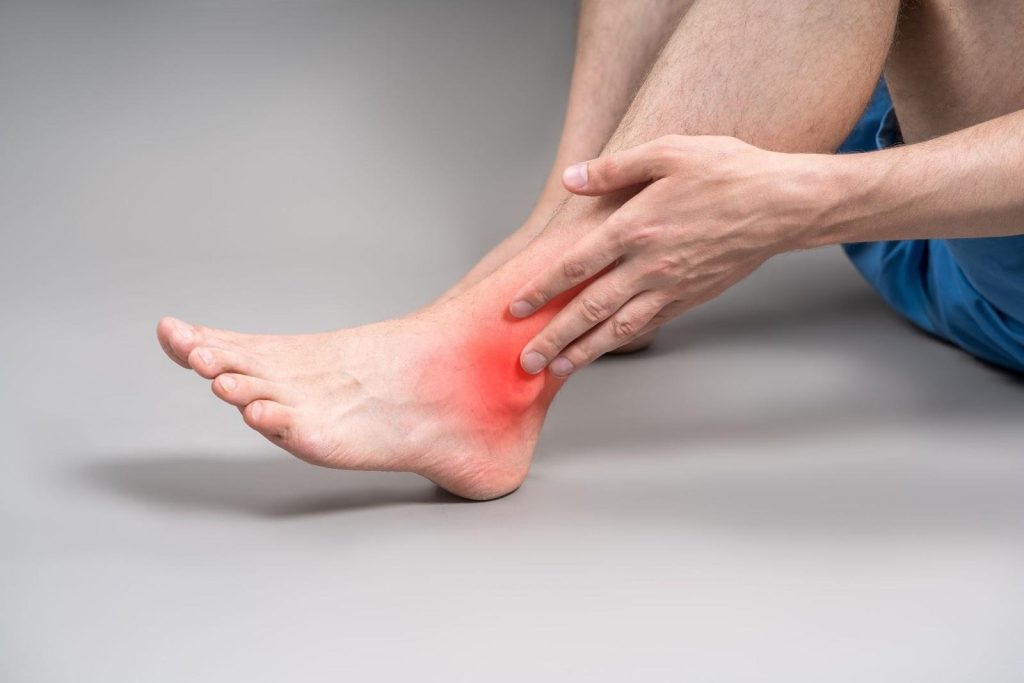
When should joint pain be a cause for concern?
Joint pain should not be ignored when it becomes persistent or begins to interfere with daily activities. While mild discomfort may resolve with rest, certain symptoms can indicate a more serious underlying issue that requires professional assessment.
Joint pain may be a cause for concern if you experience:
- Persistent or worsening pain despite rest or self-care
- Ongoing swelling or inflammation around the joint
- Visible joint deformity or changes in joint shape
- Difficulty walking or bearing weight
- Pain at rest or during the night
- Increasing stiffness or loss of movement
Early assessment helps prevent further joint damage and supports better long-term outcomes.
How is joint pain diagnosed?
Joint pain is diagnosed through a combination of clinical assessment and targeted investigations. At Atlas Podiatry, our podiatrist will begin by taking a detailed medical history and examining the affected joints to assess movement, alignment and areas of tenderness.
Diagnostic methods may include:
- Gait analysis to evaluate walking patterns and load distribution
- Physical examination of joint mobility and stability
- Recommendations for imaging, such as X-rays, ultrasound or MRI, when further assessment of joint structure is needed
- Referral to other specialists when inflammatory or systemic conditions are suspected
Accurate diagnosis is essential for developing an effective treatment plan tailored to the cause of joint pain.
How does foot and lower limb alignment contribute to joint pain?
Foot and lower limb alignment plays a key role in how forces are distributed through the joints during standing and walking. When the feet move excessively inward (over-pronation) or outward (over-supination), the load placed on the joints becomes uneven. Over time, this imbalance can place extra strain on the ankles, knees, hips and even the lower back.
Abnormal foot structure or gait patterns can alter how shock is absorbed and how weight is transferred through the lower limbs. This may lead to increased joint stress, reduced stability and gradual wear of joint surfaces, contributing to pain, stiffness and reduced mobility.
How can podiatric treatment help relieve joint pain?
At Atlas Podiatry, joint pain management focuses on identifying and correcting the mechanical factors that place excessive stress on the lower limb joints. By addressing how the feet function during standing and walking, podiatric care aims to reduce pain, improve movement and support long-term joint health.
Podiatric treatment may include:
- Custom orthotics (insoles) to improve foot alignment, redistribute pressure, and reduce stress on the ankles, knees and hips.
- Footwear assessment and recommendations to enhance support, cushioning and shock absorption.
- Activity modification to limit repetitive strain and prevent further joint irritation.
- Load management strategies to reduce pressure on painful or inflamed joints during daily activities
- Supportive bracing where additional joint stability is required.
- Adjunct therapies such as shockwave therapy, which may be used to manage chronic soft tissue pain around affected joints and improve function.
By targeting the underlying biomechanical causes rather than just symptoms, podiatric treatment helps relieve joint pain, restore more efficient movement patterns and support comfortable, confident everyday activity.
How can lifestyle changes reduce joint pain?
Lifestyle factors can have a significant impact on joint health and pain levels. Small, consistent changes can help reduce strain on the joints and improve overall comfort.
Key lifestyle strategies include:
- Weight management to reduce pressure on weight-bearing joints
- Activity pacing to avoid overloading painful joints
- Appropriate footwear choices that provide support and cushioning
- Workplace and daily habit adjustments to limit prolonged standing or repetitive movements
- Healthy movement patterns during walking, exercise and daily tasks
Combined with professional care, these changes can help manage symptoms more effectively and support long-term joint function.
Can joint pain be prevented?
While not all joint pain can be avoided, many cases, especially in the lower limbs, can be reduced or prevented with early and appropriate care.
Key preventive strategies include:
- Early intervention when symptoms first appear to avoid worsening damage
- Proper footwear that provides adequate support and shock absorption
- Regular podiatric assessments to identify and correct biomechanical issues
- Injury prevention strategies, such as gradual activity progression and strength training
- Maintaining healthy movement patterns during daily activities and exercise
Taking a proactive approach can help protect joint health, reduce pain, and support long-term mobility.
Summary
Joint pain in the feet and lower limbs can significantly affect mobility, comfort and quality of life, particularly when left unaddressed. It may arise from overuse, injury, arthritis or biomechanical imbalances that place excessive stress on the joints during everyday activities. A thorough assessment of joint function, foot alignment and movement patterns is essential for identifying the underlying cause and guiding effective treatment.
At Atlas Podiatry, joint pain management focuses on conservative, personalised care, including custom orthotics, footwear guidance, activity modification and targeted therapies to reduce joint stress and support long-term joint health.
If you are experiencing ongoing joint pain or stiffness that is affecting your daily activities, schedule a consultation with Atlas Podiatry for a comprehensive assessment and personalised treatment plan aimed at restoring comfortable, confident movement.