
What is plantar fasciitis?
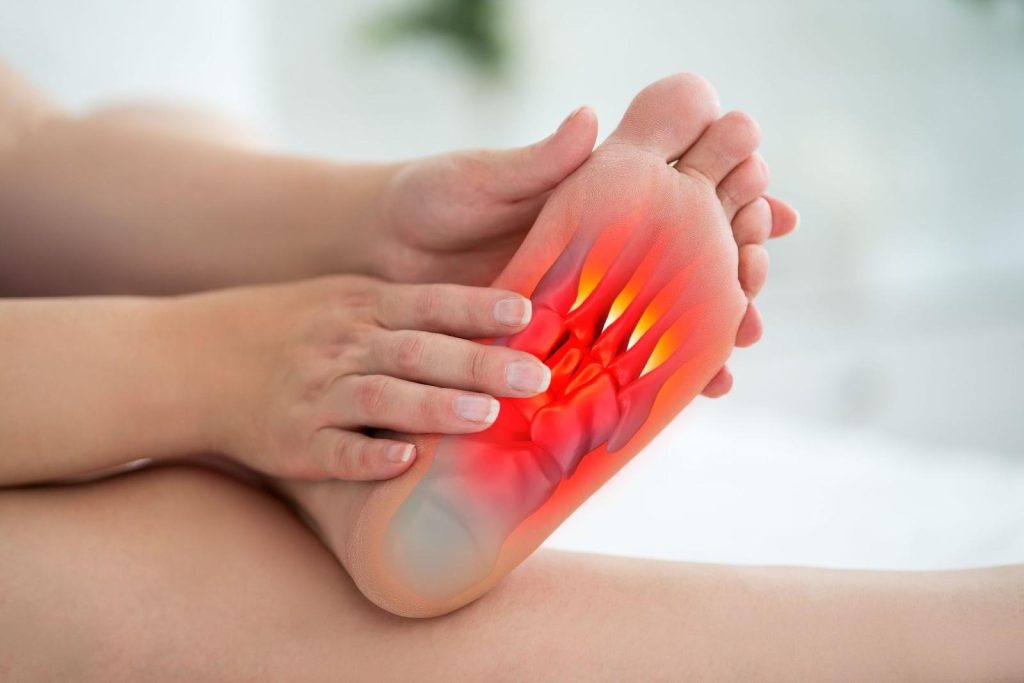
Plantar fasciitis is one of the most common causes of heel pain and occurs when the plantar fascia, a thick band of tissue running along the sole of the foot, becomes irritated or overloaded. This tissue supports the arch and helps absorb shock during walking. Repeated strain can lead to micro-tears and degeneration of the fascia, resulting in pain that is often most noticeable with the first steps in the morning or after periods of rest.
What is a heel spur?
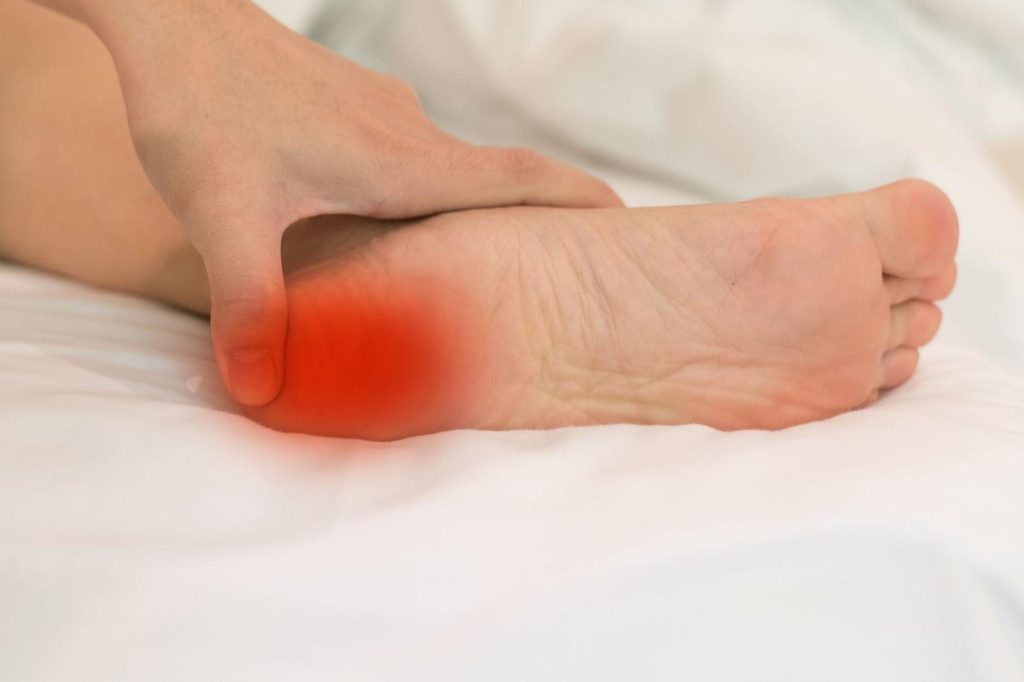
A heel spur is a small bony growth that develops on the underside of the heel bone. It forms gradually as a result of long-term stress on the plantar fascia and surrounding structures. Heel spurs are commonly seen in people with plantar fasciitis, although the spur itself is not always the source of pain. Instead, it is usually the ongoing strain and irritation of the plantar fascia that causes symptoms.
What causes heel pain?
Heel pain typically develops when the tissues around the heel are placed under repeated or excessive stress. Several factors can contribute to this strain, particularly in weight-bearing activities.
Common causes of heel pain include:
- Overuse and repetitive strain, especially from prolonged standing or high-impact activity
- Poor foot mechanics, such as flat feet or high arches
- Tight calf muscles, which increase tension on the plantar fascia
- Prolonged standing or walking on hard surfaces
- Inappropriate or unsupportive footwear
- Sudden increases in activity level, such as starting a new exercise routine
- Increases in body weight
Identifying the contributing factors is essential for effective treatment and long-term relief from heel pain.
What are the symptoms of heel pain?
Heel pain can present in different ways depending on the underlying cause and how long the condition has been present. Symptoms often develop gradually and may worsen with continued weight-bearing.
Common symptoms of heel pain include:
- Sharp or aching pain at the heel
- Pain with the first steps in the morning or after rest
- Pain after prolonged standing or walking
- Tenderness under the heel when pressure is applied
- Pain that eases with movement but worsens again after activity
When should heel pain be a cause for concern?
Heel pain should be assessed if it does not improve with rest or begins to interfere with daily activities. Certain symptoms may indicate the need for professional evaluation.
Heel pain may be a cause for concern if you experience:
- Persistent or worsening pain
- Pain at rest or during the night
- Swelling, redness or warmth around the heel
- Difficulty walking or bearing weight
Early assessment can help prevent the condition from becoming chronic.
How is heel pain diagnosed?
Heel pain is diagnosed through a thorough clinical assessment by a podiatrist. This includes discussing symptoms, activity levels and footwear habits, as well as examining the foot for areas of tenderness and restricted movement.
Diagnosis may involve:
- Physical examination of the foot and ankle
- Gait analysis to assess walking patterns and foot mechanics
- Footwear assessment
- Recommendations for imaging, such as X-rays or ultrasound, when a heel spur or other structural issue is suspected
Accurate diagnosis helps guide effective treatment.
How do foot structure and gait contribute to heel pain?
Abnormal foot structure and gait can play a pivotal role in the development of heel pain. Flat feet can increase strain on the plantar fascia due to excessive inward rolling of the foot, while high arches reduce shock absorption and concentrate pressure on the heel.
Poor shock absorption, over-pronation and repetitive stress during walking or standing can overload the tissues around the heel. Over time, this ongoing strain may lead to inflammation, tissue degeneration and persistent heel pain if not properly managed.
What treatment options are available for heel pain?
Treatment for heel pain focuses on reducing strain on the affected tissues, relieving pain and supporting healing. In most cases, conservative podiatric care is effective, particularly when administered early. Management is tailored to the underlying cause, symptom severity, and daily activity demands, with the aim of restoring comfortable movement and preventing recurrence.
How can podiatric treatment help relieve heel pain?
At Atlas Podiatry, heel pain management addresses the mechanical factors that overload the heel and plantar fascia during walking and standing.
Podiatric treatment may include:
- Custom orthotics (insoles) to improve foot alignment and reduce heel pressure
- Footwear assessment and recommendations to enhance cushioning and support
- Shockwave therapy to accelerate tissue healing, break down scar tissues and reduce chronic pain
- Load management strategies to minimise repetitive stress on the heel
- Stretching and strengthening guidance, particularly for the calf muscles and plantar fascia
- Activity modification to allow healing while maintaining safe movement
This approach helps relieve pain, improve function and reduce the risk of long-term heel problems.
What role does shockwave therapy play in heel pain treatment?
Shockwave therapy may be used for chronic heel pain or plantar fasciitis that has not responded to initial conservative care. This treatment delivers controlled acoustic waves to the affected area to stimulate healing and reduce pain.
Shockwave therapy is non-invasive and is often used alongside other podiatric treatments to improve outcomes and support recovery in persistent cases.
Can heel pain become chronic if left untreated?
Yes, heel pain can become chronic if it is not properly managed. Ongoing strain on the plantar fascia or surrounding tissues may lead to chronic plantar fasciitis, where pain persists for months and becomes more difficult to treat.
To compensate for heel pain, individuals may also alter the way they walk, which can place additional stress on the ankles, knees, hips and lower back. Over time, this altered gait can contribute to secondary joint pain and further mobility issues.
Can heel pain be prevented?
While not all cases of heel pain can be prevented, the risk can be significantly reduced with early and appropriate care.
Preventive strategies include:
- Early intervention when symptoms first appear
- Wearing supportive footwear with adequate cushioning and arch support
- Load management to avoid repetitive strain on the heel
- Regular stretching and strengthening, particularly of the calf muscles and plantar fascia
- Podiatric review to identify and address biomechanical factors
Taking a proactive approach helps protect the heel, reduce pain and prevent long-term complications.
Summary
Heel pain is a common condition that can significantly affect comfort and mobility, particularly when it involves the plantar fascia. Without appropriate management, heel pain may worsen over time and lead to chronic symptoms or changes in walking patterns that place strain on other joints.
A thorough podiatric assessment helps identify contributing factors such as foot structure, gait and activity demands, allowing treatment to be tailored to individual needs. At Atlas Podiatry, heel pain management focuses on conservative care, including custom orthotics, footwear guidance, load management and supportive therapies to relieve pain and promote recovery.
If heel pain is limiting your daily activities or not improving with rest, schedule a consultation with Atlas Podiatry for a comprehensive assessment and personalised treatment plan to restore comfort and confident movement.